How to Tell If Your Bathroom Exhaust Fan Is Actually Working
Why a working fan matters for bathroom mold prevention
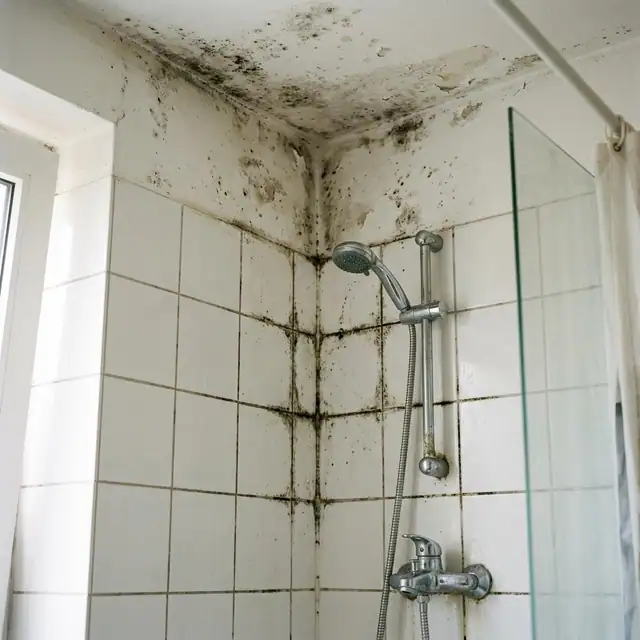
Bathroom exhaust fans are designed to pull moisture out of the air after a shower or bath. When they work correctly, they help keep surfaces dry and reduce the conditions that allow mold to grow. A fan that seems to be running but is not moving enough air can leave your bathroom at risk for hidden moisture problems. Over time, that moisture can lead to peeling paint, warped trim, and mold on walls or behind fixtures. This is why a simple check of your fan should be part of any routine bathroom mold inspection.
Many homeowners assume that if the fan makes noise and the light comes on, it is working. But sound and light are not good measures of air movement. A fan can spin and hum yet move very little air, especially if the blades are coated with dust or the duct is blocked. Knowing how to test your fan properly can save you from bigger issues down the road.
What a properly working fan should do
A bathroom exhaust fan should exchange the air in the room several times per hour. The exact number depends on the size of the fan and the room volume, but in general, you should feel a noticeable airflow at the grille. The fan should also be quiet enough that you do not mind running it for at least 20 minutes after a shower. If it rattles or whines, you may be tempted to turn it off early, which reduces its effectiveness.
Beyond airflow, the fan should vent outside, not into an attic or a crawl space. Moisture that gets blown into a hidden area can cause mold and rot that are hard to find until the damage is extensive. If you have an older home, it is worth checking where the duct actually leads.
Step 1: Listen and look for obvious problems
Start by turning the fan on. Listen for unusual noises: grinding, clicking, or a loud hum that suggests the motor is struggling. Then look at the grille. If you see heavy dust buildup, the fan is likely recirculating some of that dust instead of moving air efficiently. Dust on the grille is also a sign that the fan has been running but not pulling air effectively.
If the fan is very quiet, that can be good or bad. Modern fans are often designed to be quiet, but an older fan that suddenly stops making noise may have stopped spinning entirely. Check visually that the blades are rotating. If they are not, the motor may have failed.
Step 2: Test airflow with a simple tissue test
The tissue test is a practical way to measure airflow. Hold a single sheet of toilet paper or a piece of tissue against the grille while the fan is running. A working fan should hold the tissue in place without you needing to press it. If the tissue falls off or barely sticks, the fan is not pulling enough air.
For a more precise check, use a piece of string or a thin strip of paper. Hold it near the grille and see if it gets pulled toward the fan. If it just flutters or does not move, the fan is not doing its job. This test works best when the bathroom door is closed and the window is shut, so the fan is drawing air from the room rather than from outside.
Step 3: Check for proper venting and duct issues
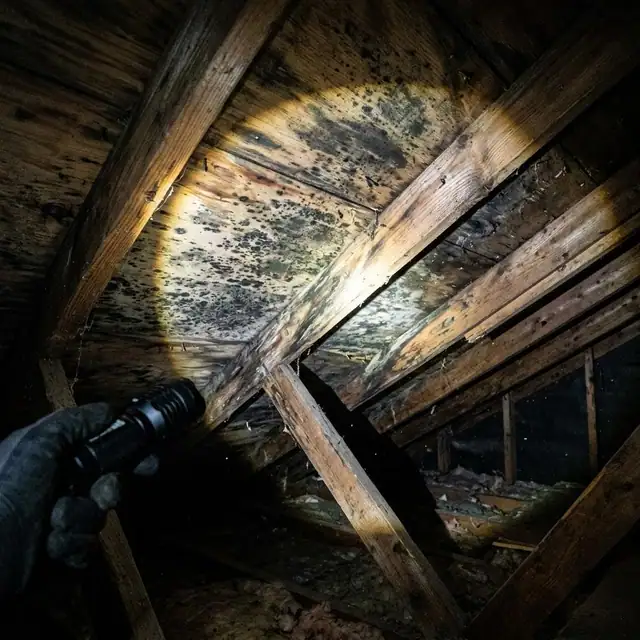
If the fan seems to run fine but the bathroom still feels damp after a shower, the problem may be in the ductwork. The duct could be blocked by debris, crushed, or disconnected. In some homes, the duct may vent into an attic space instead of to the outdoors. This can cause moisture to accumulate in the attic, leading to mold growth there.
You can check the vent on the exterior of your home. With the fan running, go outside and feel for air coming out of the vent. If there is no airflow, the duct may be blocked or disconnected. Also look for signs of moisture or staining near the vent, which could mean the fan is not pushing air out effectively.
Step 4: Evaluate humidity levels after a shower
Another way to test fan performance is to measure how quickly the bathroom dries out after use. You can use a small hygrometer, which is a device that measures humidity. Place it in the bathroom before a shower and note the humidity level. After the shower, run the fan for 15 minutes and check the humidity again. A working fan should drop the humidity noticeably in that time. If the level stays high, the fan is not keeping up with the moisture load.
If you do not have a hygrometer, you can use a mirror test. After a shower, wipe the mirror dry and see how long it stays clear with the fan running. If the mirror quickly fogs up again, the fan is not removing enough moisture from the air. This is a rough test but useful for a quick check.
Step 5: Inspect the fan itself for age and wear
Bathroom exhaust fans have a limited lifespan. Older fans, especially those that run on a switch rather than a timer or humidity sensor, may not meet current standards for airflow. If your fan is more than 10 years old, it may be worth replacing even if it seems to work. Newer fans are more efficient and quieter, and they often have better airflow for the same noise level.
Look at the fan rating, usually printed on a sticker inside the grille or on the motor housing. The rating is given in cubic feet per minute (CFM). For a standard bathroom, you generally want a fan rated at least 50 CFM, and for larger bathrooms, 80 CFM or more. If your fan has a low rating, it may not be able to handle the moisture from a long shower.
When a simple test is not enough
Sometimes the fan passes the tissue test and seems to move air, but moisture problems persist. This can happen if the fan is venting into a space that is already humid, like an attic with poor ventilation. It can also happen if there is a leak or condensation inside the duct that is dripping back into the bathroom. In such cases, a professional assessment can help identify the root cause.
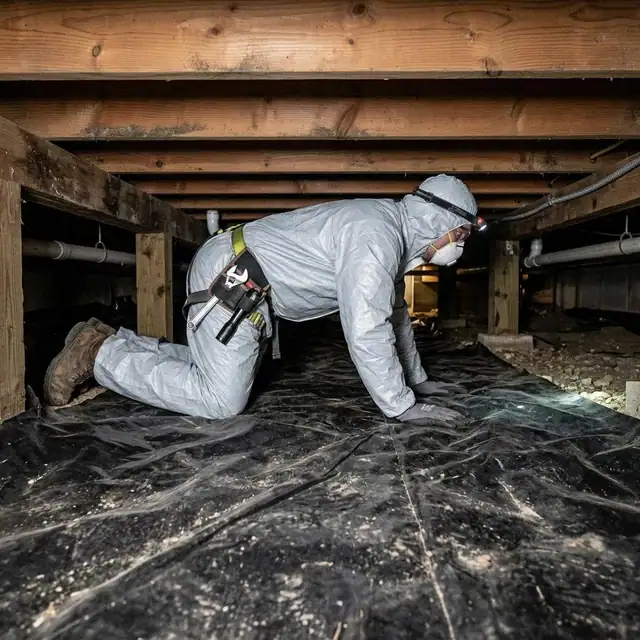
A thorough bathroom mold inspection goes beyond looking at the fan. It includes checking for hidden moisture behind walls, under flooring, and around plumbing fixtures. If you suspect that your fan is not the only issue, a professional can provide a more complete picture. The Mold Removal Boston Pros bathroom mold inspection covers these areas and can help pinpoint where moisture is coming from, even if the fan seems to be working. This kind of inspection is especially useful if you have had mold problems before and want to make sure the fix is permanent.
For homeowners who want to be thorough, a professional inspection can save time and prevent repeated mold growth. It is not always obvious where moisture is hiding. A fan that works fine in dry weather may struggle during humid summer months, and a fan that seems quiet may have a partially blocked duct. A trained eye can spot these issues and recommend the right repair or upgrade.
Maintaining your fan to keep it working well
Once you confirm the fan is working, a little maintenance can keep it that way. Clean the grille every few months with a vacuum or a damp cloth. If the fan is accessible, check the blades for dust buildup. Dust on the blades can reduce airflow and cause the motor to work harder. Also, listen for changes in sound over time. A fan that starts making new noises may be developing a bearing problem.
If the fan has a filter, clean or replace it as the manufacturer recommends. Some fans also have a backdraft damper, a flap that closes when the fan is off to prevent outside air from coming in. Make sure the damper moves freely and is not stuck in the closed position, which would block airflow when the fan is on.
Finally, consider upgrading to a fan with a humidity sensor or a timer. These features help the fan run long enough to remove moisture after you leave the room. A timer can be set to run for 20 or 30 minutes after a shower, which is often enough to clear the air. A humidity sensor turns the fan on automatically when moisture levels rise, which is helpful if you forget to turn it on.
When to call for help
If you have tried the tests above and still notice dampness, condensation, or mold in your bathroom, the problem may go beyond the fan. It could involve poor ventilation in the room, a hidden leak, or a design issue with the duct system. In these cases, a professional inspection can give you a clear answer. The Mold Removal Boston Pros bathroom mold inspection is designed to identify all the factors that contribute to mold, including ventilation, moisture sources, and material damage. A thorough assessment can help you decide whether to repair the fan, improve the ductwork, or address other issues in the bathroom.
Ultimately, knowing if your bathroom exhaust fan is working properly is a simple skill that can protect your home from moisture damage and mold. By checking airflow, listening for problems, and understanding what a normal fan should do, you can catch issues early. And if you suspect the problem is bigger than a bad fan, a professional inspection can provide peace of mind and a clear path forward.